


How to Start a Catering Business in the UK Your Complete Guide

Getting a catering business off the ground really boils down to four key stages: proving there's a real demand for your specific idea, putting together a business plan that actually works, getting all your legal and food safety ducks in a row, and designing a menu that makes you money. Think of this as your roadmap, taking you from a tasty concept to a thriving business with a full calendar.
Building Your Catering Business Blueprint

Before you even think about plating up your first dish, you need a solid plan. It's the most important ingredient you'll have. This is the part where we turn a passion for food into a genuinely viable business. It’s about creating the foundation that will guide every decision you make, from hunting down funding to finalising that first menu.
Your journey starts by figuring out where you fit into the UK's bustling food scene. The good news is the catering industry is incredibly robust. Just look at contract catering – it pulls in around £11.5 billion in revenue, making up a huge slice of the market. That number alone shows just how much opportunity there is for specialists to thrive.
Find Your Profitable Niche
First things first: you need to decide who you're cooking for. The biggest mistake new caterers make is trying to be everything to everyone. It's a recipe for burnout and failure. You'll have a much easier time if you focus on a specific corner of the market where your food and style can really shine. It makes marketing a hundred times easier and helps people remember who you are.
Have a think about where your passion lies. Could you be the go-to for:
- Corporate Catering: Reliable, delicious lunch services, impressive meeting platters, and conference food for local businesses.
- Weddings & Private Events: High-end wedding breakfasts, anniversary celebrations, and special family parties where the food is the star.
- Street Food & Pop-Ups: Fun, trendy food served up at markets, festivals, and one-off events.
- Specialised Diet Catering: Making a name for yourself with incredible vegan, gluten-free, or other diet-specific menus that don't feel like a compromise.
Once you have an idea, you need to check if people will actually pay for it. Do some digging. Snoop on local competitors' menus online – what are they all doing? Is everyone serving the same traditional fare? Maybe there's a huge gap for modern, plant-based options. A quick poll in a local Facebook group can give you direct, honest feedback on what your community is crying out for.
Don't just guess what the market wants. Ask. A simple online poll asking, "What kind of catering is missing in our area?" can give you more direction than weeks of speculation.
Develop Your Initial Business Plan
With a promising niche in mind, you can start sketching out a business plan. It doesn't need to be a 100-page novel at this stage, but it absolutely must cover the essentials. This is your strategic guide, the document that will keep you on track as you navigate the complexities of starting a catering business.
Your plan should clearly outline:
- Your Mission: A simple, punchy sentence explaining what you do and why. Something like, "To provide fresh, locally sourced corporate lunches that are both healthy and convenient."
- Your Ideal Client: Get specific. Who are they? What do they care about? Where do they hang out online and offline? Create a picture of the person you want to serve.
- Your Startup Numbers: A rough-but-realistic forecast of your initial costs (think equipment, licenses, insurance) and what you hope to make in your first year.
This is also the time to think about where you'll be cooking. Even if you plan to start from home, your kitchen has to meet strict health regulations. As you grow, knowing how to set up an efficient workspace is critical. It’s worth getting a head start by exploring the fundamentals of commercial kitchen design. Putting in this foundational work now ensures you're building a business that's set up for success from day one.
Getting Your UK Catering Business Legal and Safe
Right, let’s talk about the serious stuff. Getting the legal side of your new catering venture sorted is an absolute must. It might feel like a mountain of paperwork, but getting this right from day one is what separates the pros from the amateurs. It’s all about protecting your customers, your reputation, and your business itself.
The very first thing you need to do is register your business with your local council. This isn't optional – you have to do it at least 28 days before you even think about trading. And it doesn't matter if you're working from a shiny commercial unit or the kitchen at home, the rule is the same for everyone.
Thankfully, it’s a free and pretty painless process. You can usually just fill out a form on your council's website. This flags your new business to the Environmental Health department, who will eventually pop round for your first food hygiene inspection.
Food Hygiene Training: Your Licence to Cook
Before you serve a single sausage roll, you and anyone who works for you need proper food hygiene training. This is a legal requirement, not just a nice-to-have. For anyone handling food, a Level 2 Food Safety and Hygiene for Catering certificate is the industry standard. It's your baseline.
If you’re taking on a supervisory role, you’ll probably need to step it up to a Level 3 certificate. These courses dig deeper into managing safety systems. You can find accredited courses online that only take a few hours to complete, so there’s really no excuse not to get it done.
What is a HACCP Plan? (And Why You Need One)
Every single food business in the UK has to have a documented food safety management system. The system most businesses use is based on HACCP (Hazard Analysis and Critical Control Point) principles. It sounds complicated, but it's actually just a common-sense way of thinking about and managing food safety risks.
Basically, your HACCP plan is where you identify anything that could go wrong at every stage – from your ingredients arriving to the food being served – and put controls in place to stop it from happening. The Food Standards Agency has a fantastic free resource called 'Safer Food, Better Business' which has templates designed specifically for small caterers like you.
A solid HACCP plan isn't just a tick-box exercise for the inspector. It’s the very core of your daily operations, ensuring every plate of food you serve is safe. It's what protects your clients and, ultimately, your business's future.
Sorting Out Insurance and Allergen Rules
Once your safety systems are mapped out, you need to get insured. Public liability insurance is the big one; it’s non-negotiable. This covers you if someone gets hurt or their property is damaged as a result of your business. Product liability, which is often bundled in, specifically covers issues with the food itself.
Finally, you have to be on top of the UK’s allergen laws. Under Natasha's Law, any food that's pre-packaged for direct sale needs a full ingredients list, with the 14 major allergens clearly highlighted. For something like a buffet, you still need to have that allergen information available for every single dish.
You absolutely need a bulletproof system for tracking allergens. Here's a simple breakdown of what that looks like:
- Check Your Suppliers: Get allergen specifications for every ingredient you buy and keep those records.
- Keep Detailed Recipes: Your recipe sheets should be meticulous, listing every potential allergen for every dish.
- Label Everything Clearly: At an event, use clear labels for each dish that highlights allergens. Don’t make people guess.
- Train Your Team: Make sure every staff member understands the risks and can confidently answer any questions from customers.
Nailing these legal and safety steps from the get-go is one of the most crucial parts of building a successful catering business. It’s how you build trust and lay the groundwork for a brand that people know they can rely on.
Crafting Your Menu and Sourcing Smart

Your menu is so much more than a list of dishes you can cook. It's the very soul of your catering brand and, frankly, your most important sales tool. This is where your culinary creativity meets the hard reality of running a profitable business.
The real trick is to design food that not only tastes incredible but also holds up to the unique demands of catering. Can it be produced consistently for 100 people? Does it travel well? A menu for corporate box lunches will be world's apart from one for a formal wedding reception, so every dish needs to be designed with its end purpose in mind.
Designing a Profitable Menu
Profitability in catering boils down to knowing your numbers. I mean really knowing them. Every single ingredient, from the main protein down to the pinch of salt and glug of oil, has a cost that needs to be tracked. We call this menu costing, and it’s an absolute non-negotiable if you want your business to survive its first year.
To cost a dish properly, you have to break it down to its core components. Let’s take a simple chicken and roasted vegetable dish. You'd calculate the exact cost of the chicken breast per portion, the price of each type of vegetable, the olive oil, and every last herb and spice.
This detailed work is your best defence against fluctuating food prices. It ensures you can set a menu price that’s both competitive enough to win the job and profitable enough to keep the lights on.
A classic rookie mistake is only costing the "hero" ingredients like meat or fish. You'd be amazed how quickly the cost of oils, spices, garnishes, and other small items adds up. Forgetting them will silently eat away at your profit margins, one event at a time.
To give you a clearer picture, here’s a simplified breakdown for a popular catering dish, like a Lemon & Herb Chicken Breast.
Sample Menu Item Costing Breakdown
| Ingredient | Supplier Cost (£) | Quantity per Recipe | Cost per Recipe (£) | Portions per Recipe | Cost per Portion (£) |
|---|---|---|---|---|---|
| Chicken Breast (5kg) | 30.00 | 1.8kg (10 portions) | 10.80 | 10 | 1.08 |
| Lemons (bag of 10) | 2.50 | 2 lemons | 0.50 | 10 | 0.05 |
| Fresh Thyme (bunch) | 1.20 | 1/2 bunch | 0.60 | 10 | 0.06 |
| Olive Oil (5L) | 25.00 | 100ml | 0.50 | 10 | 0.05 |
| Salt & Pepper | (negligible) | to taste | 0.10 | 10 | 0.01 |
| Total | 12.50 | 10 | 1.25 |
As you can see, the base food cost for one portion is £1.25. From here, you’d add your desired gross profit margin (typically 70-75% for catering) to arrive at a selling price.
Sourcing Equipment The Smart Way
Once your menu is taking shape, you'll need the gear to bring it to life. Equipment is a hefty startup expense, so how you approach it will have a big impact on your cash flow. You've really got three paths you can go down.
- Buying New: This gives you peace of mind with shiny, reliable kit and manufacturer warranties, but it’s the most expensive option. Best reserved for mission-critical items you'll use daily, like a combi oven or a solid fridge.
- Buying Used: You can find absolute steals on second-hand equipment, often saving 50-70% compared to new. It’s a gamble, though. There are no warranties, and you have to be prepared for things to potentially break down sooner.
- Leasing: Leasing is a fantastic way to get your hands on high-end machinery without a massive upfront investment. It keeps your initial costs down, and many agreements include maintenance. Just remember, the total cost over the lease term will be higher than buying it outright.
Most startups I know take a hybrid approach. They'll buy their main oven new but pick up stainless steel prep tables, shelving, and other less critical items from used equipment dealers to save cash.
Finding Reliable Suppliers and Packaging
Think of your suppliers as your business partners, because that’s what they are. Building solid relationships with dependable wholesalers for meat, produce, and dry goods is fundamental to delivering a consistent product. Don’t just settle for the first name you find. Get quotes from several, check their references, and grill them on their delivery reliability and quality control.
And it’s not just about the food. Your packaging is the final touchpoint with your client, a crucial part of your brand story. In today’s market, sustainable options aren’t just a nice-to-have; they’re a powerful selling point. The UK catering industry is projected to hit £13.7 billion by 2030, and a lot of that growth is tied to sustainability. Just look at London, where over 99.5% of corporate catering is now delivered by zero-emission vehicles and 52% of menus highlight plant-based choices.
Choosing eco-friendly packaging like compostable bagasse containers or smart wooden cutlery tells your clients that you’re a modern, responsible business. This can be a huge advantage, especially when bidding for corporate contracts where companies have their own green targets to meet. Finding a great source for wholesale catering supplies in the UK that stocks a good range of eco-friendly products is a vital step. Your packaging is the last impression you leave, so make it a good one.
Getting Your Kitchen Operations and Pricing Right

This is where the magic really happens. Consistently brilliant food, served flawlessly even when the pressure is on, is what separates the good caterers from the great ones. This doesn’t happen by chance; it’s all down to rock-solid kitchen operations.
Think of it as building the engine of your business. You need robust systems for everything—from recipes and staffing right through to how you price a job. These systems are your secret weapon against the chaos of a busy event. They guarantee consistency, protect your profits, and let you deliver incredible service, every single time. Let’s get into the nitty-gritty of building that foundation.
Standardise Your Recipes and Control Every Portion
In catering, consistency is everything. If a client falls in love with your mini quiches at one event, they'll expect that same bite of perfection the next time they hire you. The only way to nail this is with standardised recipes.
This means every single dish has a detailed, written recipe that your team follows religiously. We’re talking exact ingredient weights, cooking methods, temperatures, and timings. It takes all the guesswork out of the equation and ensures every plate that goes out is identical.
Just as crucial is an iron grip on portion control. This isn't about being stingy—it's about being smart with your money. Each recipe needs to specify the final portion size, whether that’s by weight (e.g., 150g of pulled pork per roll) or by item (e.g., three prawn skewers per person). Using tools like digital scales, scoops, and ladles is completely non-negotiable.
A few extra grams of smoked salmon on every blini might seem tiny, but over 100 guests, you've just waved goodbye to your entire profit margin on that canapé. Precision is profit.
Nail Your Staffing and Rostering
Building a reliable team is one of the toughest parts of starting a catering business. You're competing in a huge UK foodservice market, valued at around £104.8 billion, where good staff are like gold dust. The industry is also grappling with a record-high employee turnover rate of 38%, so you need a smart plan for hiring and keeping people.
Start by looking for chefs and servers who are not just skilled, but also dependable and unflappable under pressure. Event catering is a different beast to a regular restaurant kitchen; you need a team that thrives in that dynamic environment.
Once you have a solid pool of casual or part-time staff, smart rostering is your next challenge. Labour is a massive expense, often eating up over 31% of revenue in this sector.
- Roster for the Job: Don't just throw people at an event. Break down the day into specific phases—prep, transport, setup, service, and breakdown—and assign staff accordingly.
- Don't Over-Staff: It’s tempting to have extra hands "just in case," but that will cripple your budget. A smaller, well-organised team will always outperform a large, chaotic one.
- Use Rostering Software: As you get busier, simple apps can be a lifesaver for managing staff availability and building schedules, freeing you up from hours of admin.
Demystify Your Pricing Models
With your food and labour costs locked down, you can finally price your services with confidence. The right pricing model really depends on your niche and the kinds of events you’re targeting. Most caterers use one of three main approaches.
Per-Head Pricing
This is the most straightforward and common model. You simply charge a flat rate for each guest, which covers the food and often basic service. It's wonderfully transparent for the client and easy for you to calculate.
- Best for: Weddings, large corporate functions, and buffets where the guest count is the key factor.
- Example: A classic wedding package at £75 per head for a three-course meal.
Tiered Packages
Here, you create a few set packages at different price points—think Bronze, Silver, and Gold. Each tier offers a different menu, level of service, or extra inclusions, which gives clients clear choices within a defined structure.
- Best for: Corporate clients and event planners who appreciate being able to compare well-defined options.
- Example: A corporate lunch menu with a "Standard" sandwich platter at £12 per head and a "Premium" hot fork buffet option at £22 per head.
Custom Quotes
For truly unique or high-end events, a custom quote is the only way to go. This involves sitting down with the client for a detailed consultation to build a menu and service plan from the ground up, with the price reflecting that bespoke approach.
- Best for: High-end private parties, elaborate themed events, or clients with very specific and complex requirements.
Getting your numbers right is the bedrock of a successful business. To make this vital step easier, our dedicated food cost calculator can help you ensure every quote you send is profitable. When you combine precise costing with a smart pricing strategy, you're building a catering business that’s set up to last.
Right, you've got your kitchen sorted and your menus planned. You could be making the most incredible food imaginable, but if potential clients don't know you exist, your business is dead in the water. Let's talk about how to get the word out and start booking those first crucial jobs.
Don't panic about needing a massive marketing budget from day one. You don't. What you do need is a clever, focused approach. Your early marketing is all about building relationships and becoming a known name in your local area. The aim? To be the first person people think of when they need catering for your specific niche.
Forge Powerful Local Partnerships
Honestly, one of the quickest ways to get high-quality leads when you're starting out is through referrals. You need to get friendly with other local businesses who are already talking to the exact same clients you want. The key is that they aren't your direct competitors. Think of them as your very own, unofficial sales team.
Make a list and start introducing yourself to these people:
- Wedding and Event Venues: These are goldmines. Getting on a venue's preferred supplier list is like getting a VIP pass to a stream of potential bookings.
- Corporate Event Planners: Planners are constantly on the lookout for reliable, creative caterers. Make their job easier by being a fantastic option they can confidently recommend.
- Local Businesses and Office Managers: These folks are your ticket to recurring corporate gigs, from weekly team lunches to the big annual company party.
Don't just send a cold email that'll get lost in a busy inbox. Go old school. Arrange a time to pop by with a beautifully packaged sample box of your signature canapés or brownies. Let your food do the hard work for you. A delicious, unexpected treat is infinitely more memorable than a flyer and screams confidence in what you do.
Think of this network as a long-term play. It's not a one-and-done deal. Nurture these connections. If a client asks you for a photographer recommendation, send them to your partner. When you deliver an incredible service to a client they've sent you, it makes them look good, which only encourages them to send more business your way.
Choose Where to Focus Your Sales Efforts
Not all sales channels are created equal, especially when you're just starting. Some offer higher margins but require more effort to land, while others are easier to get but might be less profitable. You need to decide where to focus your energy first.
Here’s a quick comparison to help you strategise.
Catering Sales Channel Comparison
| Sales Channel | Typical Profit Margin | Client Acquisition Effort | Scalability |
|---|---|---|---|
| Corporate Catering | 20-30% | Medium. Requires direct outreach and networking. | High. Leads to recurring, high-volume orders. |
| Private Events (e.g., parties) | 25-40% | Medium to High. Relies on word-of-mouth and local rep. | Medium. Dependent on your capacity and reputation. |
| Wedding Catering | 30-50% | High. Long sales cycle, requires strong portfolio. | Medium. High-value but fewer bookings per year. |
| Food Delivery Platforms | 10-20% | Low. The platform brings you the customers. | Low to Medium. High commission fees limit profit. |
Choosing the right channel is about balancing your immediate need for cash flow with your long-term goals for brand building and profitability. A mix is often best – maybe start with corporate lunches for steady income while you build your reputation to land those higher-margin weddings.
Build Your Digital Storefront
While personal connections are vital, every single modern business needs a professional online presence. Think of your website as your digital shop window – it’s open 24/7 and, for many, it’s the very first impression they’ll get of your brand.
It doesn’t need to be some complicated, all-singing, all-dancing affair. But it absolutely must be:
- Professional and Clean: A simple, well-designed site that's easy to get around builds trust instantly.
- Visually Stunning: This is non-negotiable. Scrimp on this and you'll pay for it. Invest in high-quality, mouth-watering photos of your food. People eat with their eyes, especially when they're browsing online.
- Clear and Informative: Show off your sample menus, explain what you do, and make it ridiculously easy for someone to get in touch for a quote.
Your website is your best brochure. It needs to answer a potential client's first few questions and, crucially, get them excited enough to actually pick up the phone or send that enquiry email.
Showcase Your Craft on Social Media
For any food business, social media is a gift. A platform like Instagram is basically a free, visual portfolio. It's your direct line to building a local following of people who love food and will one day need a caterer.
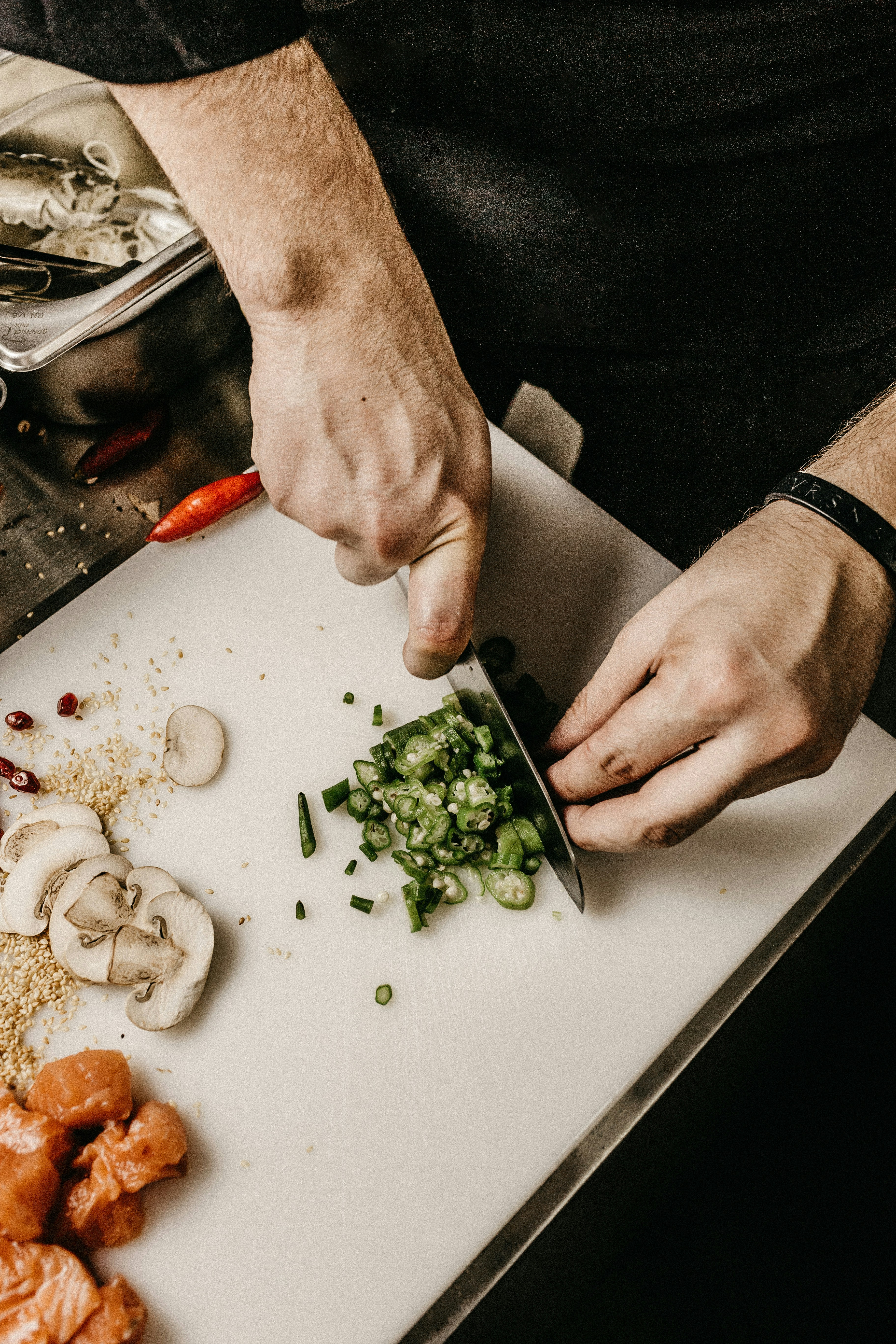
Get into the habit of posting brilliant, well-lit photos and short videos. Show your food, your team prepping behind the scenes, and action shots from events. This isn't just about pretty pictures; it's about telling your story and building what marketers call social proof. When people see you’re out there, catering real events for real, happy clients, it gives you instant credibility.
And don't be shy. Gently encourage your clients to tag you in their photos from the event. Always, always ask for a review afterwards. Those glowing testimonials are pure marketing gold. Sprinkle them across your website and share them on your social media – they give new clients the confidence they need to choose you.
Your 90-Day Catering Business Launch Plan
You've got the plans, you've got the passion. Now, it's all about execution. The thought of launching can feel monumental, so let's break it down into a practical, 90-day action plan. This isn't about theory anymore; it's about taking concrete steps to get your catering business off the ground and serving its first clients.
Before you even think about taking your first order, you need a solid pre-launch checklist. Trust me, it's the small, overlooked details that can trip you up on day one. Think of this as your final dress rehearsal.
- Lock In Your Suppliers: Go beyond a handshake. Confirm your delivery schedules, payment terms, and critically, who your backup suppliers are if someone lets you down.
- Test Your Tills: Whether it’s a card machine or an online gateway, run a few small test payments. The last thing you want is to be fumbling with tech when a client is ready to pay.
- Run a Full Menu Trial: This is non-negotiable. Cook every single dish on your menu, not just for taste, but to simulate the pressure of a real event. Time everything. See what can be prepped ahead.
- Do a Transport Dry Run: How long does it actually take to load the van? Does everything fit? A practice run will expose any logistical headaches before they happen on a client's time.
The First Three Months: From Launch to Lift-Off
Once you've ticked off that checklist, it’s go-time. This timeline will help you build momentum without burning out.
Month 1 (Days 1-30): The Hunt for Your First Five Clients
Your sole focus for the first 30 days is simple: get your first five paying clients. Forget fancy marketing campaigns for now. All your energy should be poured into outreach with that local partner network we talked about—the venues, the wedding planners, the corporate PAs.
Your goal is to land small-to-medium events. These are your proving grounds. They let you iron out kinks in your service under real-world pressure. Every single successful gig is more than just revenue; it's a glowing testimonial and a portfolio piece waiting to happen.
Month 2 (Days 31-60): Refine, Systemise, and Get Feedback
Okay, you’ve got a few events under your belt. Now you have something invaluable: data. Be brutally honest with yourself. What went brilliantly? Where were the bottlenecks? Was your prep schedule too ambitious? Did you nearly run out of napkins?
Use these hard-won lessons to build repeatable systems for everything. From the first client email to the final pack-down, document a process. This is the bedrock of a scalable business, not just a hobby. Now is also the time to chase down testimonials from those early clients while the memory of your amazing food is still fresh.
This flowchart maps out how those initial leads often turn into paying customers.

As you can see, nurturing those direct relationships while building your online presence is what creates a steady stream of enquiries.
Month 3 (Days 61-90): Time to Amplify Your Marketing
With a handful of successful events, proven systems, and some fantastic reviews, you're ready to turn up the volume. Take a slice of your early profits and reinvest it into some smart, targeted marketing. This could be a targeted social media ad campaign aimed at local engaged couples or boosting posts that showcase your corporate lunch platters.
Start looking ahead. Use the feedback you've gathered to plan your menu for the next season. What did people rave about? What new service packages could you offer based on what your first clients asked for? Keep evolving.
Burning Questions for New Catering Entrepreneurs
Diving into the catering world naturally kicks up a lot of questions. Getting straight answers is the best way to build your confidence, so let's walk through some of the most common things aspiring UK caterers ask.
Can I Genuinely Run a Catering Business from My Home Kitchen?
You absolutely can, and many fantastic catering businesses have started this way. The crucial point is that your home kitchen isn’t exempt from the rules. It must be registered with your local council and is subject to the same food hygiene inspections as any commercial kitchen.
Inspectors will want to see that you have rock-solid processes for safely storing, prepping, and cooking food. This means having clear separation between your business and personal food supplies and demonstrating you can meet professional standards from day one.
What’s a Realistic Startup Budget?
This is the big "how long is a piece of string?" question. Your costs can swing wildly depending on your ambition.
A home-based setup, perhaps focusing on small private parties or corporate lunches, could get off the ground with a few thousand pounds. This would cover your essential insurance, licences, first ingredient stock, and some quality packaging.
However, if your plan involves leasing a dedicated commercial kitchen and investing in heavy-duty equipment right away, you should be prepared for a much larger initial outlay, likely in the £10,000–£25,000 range, or even more.
Your chosen niche is the single biggest factor affecting your startup costs. A street food stall has a completely different shopping list to a high-end wedding caterer. Always build your budget around your specific business model, not a generic template.
Do I Need to Hire Staff from Day One?
Not at all. In fact, most caterers start out flying solo or roping in trusted family and friends for those first few gigs. It’s a smart way to keep your overheads incredibly low while you find your feet and build a reputation.
But you need a plan for growth. The moment you start landing bigger, more complicated events, you'll need reliable, well-trained staff. Trying to juggle a 100-person wedding on your own is a recipe for disaster and will damage your brand. Think about when and how you'll bring people on board right from the beginning.
Starting out with the right gear is non-negotiable for making a professional impression. At Monopack ltd, we stock everything from eco-friendly takeaway containers to elegant disposable tableware, helping you manage costs without ever looking cheap. See our complete collection at https://thechefroyale.com.


